
Bug Out Bag Weight Calculator

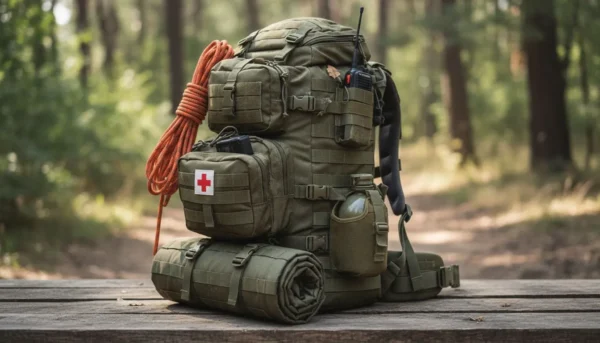
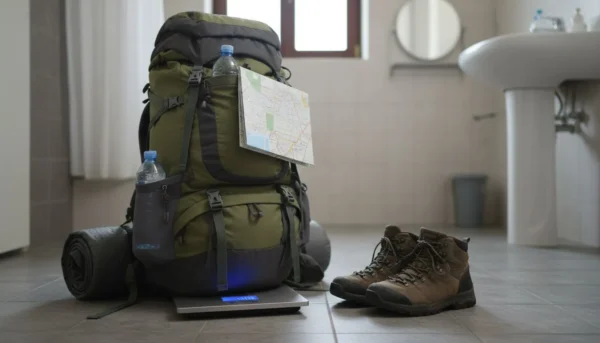
A Bug Out Bag Weight Calculator helps preppers and survivalists estimate total pack weight, optimize gear loadouts, and avoid carrying unsafe amounts of equipment during emergencies. Proper weight distribution improves mobility, endurance, and overall survival preparedness during bug out scenarios and disaster evacuations.

Most survival kits fail because they rely on a single point of failure. A reliable emergency survival kit utilizes layered backup systems for water, lighting, communication, cooking, and medical preparedness, ensuring critical tools continue to function during emergencies.

A well-balanced bug out bag should include:

  • water and purification gear
  • emergency food
  • shelter and sleep systems
  • medical supplies
  • fire-starting tools
  • navigation equipment
  • communication devices
  • backup survival tools
Bug Out Bag Weight Calculator | Survival & Outdoors

Survival & Outdoors

Bug Out Bag Weight Calculator
survivalandoutdoors.com

Carrier Profile

Gear List

Category Breakdown

Pack Optimization Tips

    Why Bug Out Bag Weight Matters

    A heavy bug out bag can quickly become a liability during an emergency. Carrying excessive weight reduces speed, increases exhaustion, and places additional strain on the body over long distances.

    Many preppers focus on adding more survival gear without considering overall mobility. A well-balanced bug out bag should contain essential supplies while remaining light enough to carry safely for extended periods.

    Weight management becomes especially important during:

    • evacuations
    • wilderness travel
    • disaster response
    • long-distance movement
    • grid-down emergencies

    This calculator helps identify overloaded packs and encourages smarter survival planning.

    Recommended Bug Out Bag Weight Limits

    Most survival experts recommend keeping a fully loaded bug-out bag between 15% and 25% of your body weight, depending on fitness level and terrain conditions.

    General Guidelines

    Fitness LevelRecommended Pack Weight
    Beginner15% of body weight
    Intermediate20% of body weight
    Advanced25% of body weight

    For example:

    • A 180 lb person with intermediate fitness should aim for a bug out bag around 36 lbs.
    • Exceeding recommended carry weight can reduce endurance and increase injury risk.

    The ideal bug-out bag balances survival capability with realistic mobility.

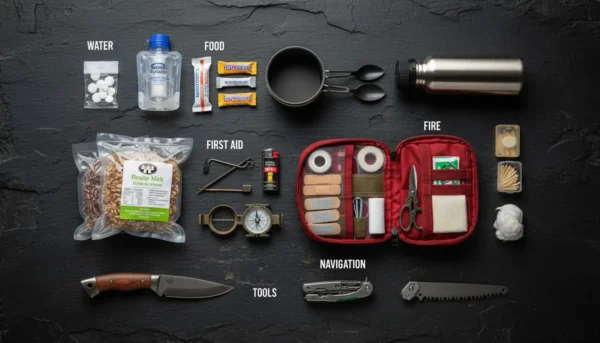
    Essential Gear Categories for a Bug Out Bag

    A well-designed bug out bag should cover the major survival priorities without unnecessary duplication or excessive weight.

    Water and Hydration

    • water bottles
    • hydration bladder
    • portable water filter
    • purification tablets

    Food and Cooking

    • emergency food
    • freeze-dried meals
    • portable stove
    • metal cook cup

    Shelter and Sleep

    • tarp
    • emergency bivvy
    • sleeping bag
    • sleeping pad

    Shelter and Sleep

    • tarp
    • emergency bivvy
    • sleeping bag
    • sleeping pad

    Medical Supplies

    • trauma kit
    • medications
    • bandages
    • first aid supplies

    Navigation and Communication

    • compass
    • maps
    • emergency radio
    • flashlight
    • backup batteries

    Common Bug Out Bag Weight Mistakes

    Many survivalists overload their bug out bags with unnecessary gear, duplicate equipment, or unrealistic supplies. A properly balanced bug out bag should prioritize mobility, efficiency, and essential survival functions without creating excessive physical strain.

    Avoiding these common bug out bag weight mistakes can improve endurance, speed, and overall emergency preparedness.

    Carrying Too Much Water

    Water is one of the heaviest items in any bug-out bag. While hydration is critical, carrying excessive amounts of water can quickly overload a survival pack.

    Instead of relying only on stored water, many experienced preppers combine:

    • smaller water reserves
    • portable water filters
    • purification tablets
    • metal containers for boiling water

    This approach reduces total pack weight while maintaining access to safe drinking water.

    Packing Duplicate Heavy Gear

    Backup systems are important, but carrying multiple heavy tools for the same task can create unnecessary weight.

    For example:

    • multiple large knives
    • several flashlights
    • duplicate cooking systems
    • excessive ammunition

    A better strategy is using lightweight, multi-purpose survival tools that support Smart Redundancy without overloading the pack.

    Ignoring Physical Fitness and Terrain

    An ideal bug-out bag weight depends on:

    • body weight
    • fitness level
    • terrain
    • climate
    • travel distance

    A pack that feels manageable indoors may become exhausting during:

    • steep climbs
    • long-distance walking
    • hot weather
    • snow conditions

    Carrying Too Many “Just in Case” Items

    Many people add gear based on fear instead of realistic survival priorities. Overpacking uncommon or low-priority items can reduce space for essential supplies.

    Focus first on critical survival categories:

    • water
    • shelter
    • fire
    • food
    • medical
    • communication
    • navigation

    A lighter and more organized bag usually performs better during emergencies.

    Poor Weight Distribution

    Even a reasonably weighted bug-out bag can become uncomfortable if the load is poorly distributed.

    Heavy items should remain:

    • centered
    • close to the spine
    • balanced evenly

    Proper organization improves:

    • stability
    • posture
    • endurance
    • mobility

    An efficient pack layout can make a survival backpack feel significantly lighter during long-distance travel.

    Failing to Test the Bag

    One of the biggest preparedness mistakes is building a bug-out bag without field testing it.

    A survival pack should be:

    • worn during hikes
    • adjusted for comfort
    • tested in different weather conditions
    • updated regularly

    Testing helps identify:

    • unnecessary gear
    • weak equipment
    • weight imbalances
    • comfort issues

    A bug-out bag that works in theory may fail during a real emergency if it has never been tested properly.

    FAQs

    Explore frequently asked questions about the Bug-Out Bag weight calculator.

    A: Most bug out bags should weigh between 15% and 25% of your body weight depending on fitness level, terrain, and emergency conditions.

    A: Many bug out bags weigh between 25 and 45 pounds, although ideal weight varies based on survival goals and environmental conditions.

    A: Water, food, shelter systems, and ammunition are usually the heaviest components of a survival pack.

    A: You can reduce pack weight by using lightweight gear, removing duplicate items, carrying multi-purpose tools, and relying on water purification instead of excessive stored water.

    A: Proper weight distribution improves balance, reduces fatigue, and makes long-distance travel safer and more efficient during emergencies.