Survival and Outdoors: Master the Art of Self-Reliance
Field-tested survival gear reviews, proven bushcraft skills, and smart emergency preparedness — built for the wilderness and urban challenges of the USA and Canada.
At Survival and Outdoors, we bridge old-school wilderness wisdom with 21st-century gear innovation.
Whether you’re a beginner learning your first fire-starting technique or an experienced bushcrafter upgrading your kit, every recommendation here has been tested in real conditions — from the Canadian Rockies to the American Southwest.
Gear Reviews: The North American Gold Standard
In 2026, the best survival kit isn’t just the toughest — it’s the smartest. We specialize in “Smart Redundancy”:
evaluating how modern technology integrates with traditional tools so you’re prepared for both peak efficiency and total electronic failure.
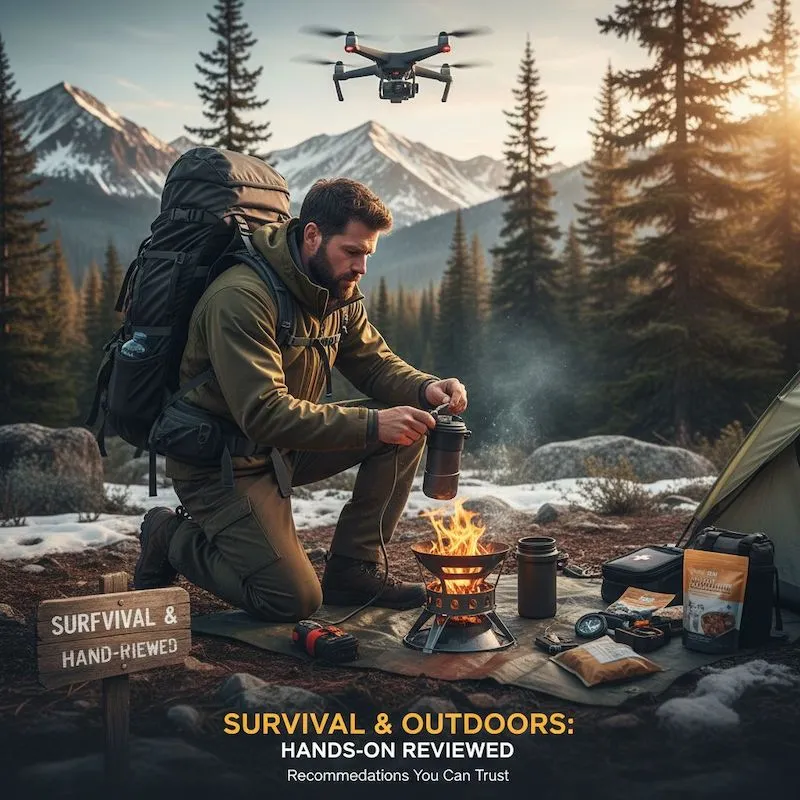
Every piece of gear we review is tested by Jeff in real-world conditions across North American environments — from
dense Canadian boreal forest to arid Southwestern desert scrub. No sponsored rankings. No affiliate-first
recommendations. Just honest, field-backed assessments.
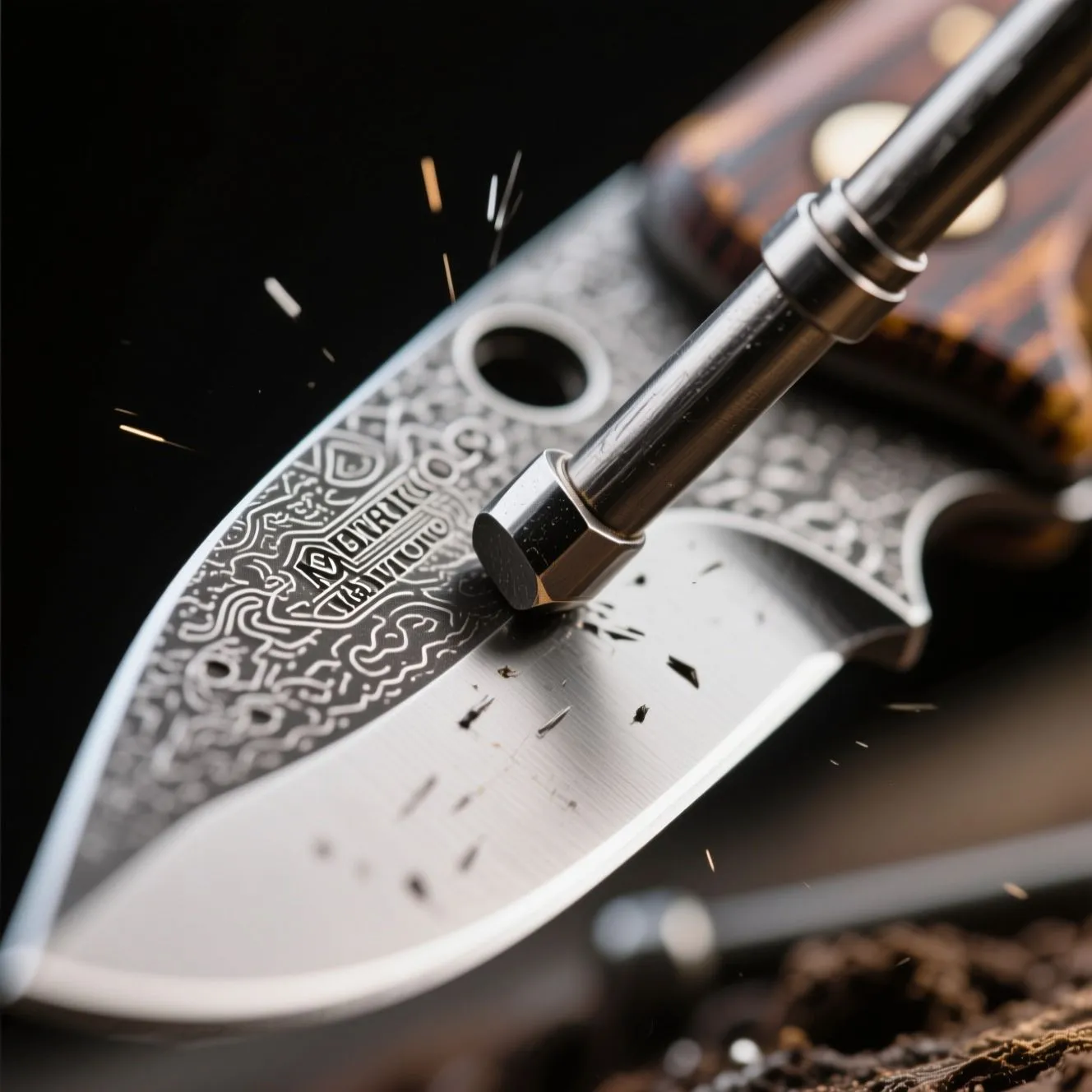
- The Blade Lab: High-carbon steel bushcraft knives, machetes, and folding saws tested across North American softwood and hardwood species.
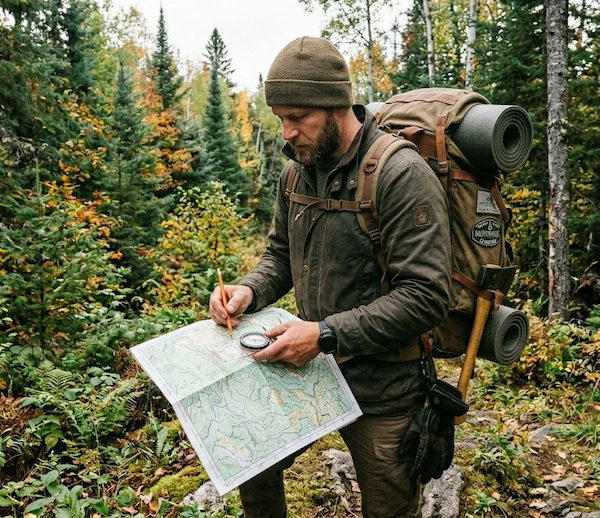
- Hybrid Navigation: Map and compass mastery guides paired with reviews of satellite communicators and GPS units for US national parks and Canadian Crown land.
- Sustainable Apparel: Merino wool, bio-based synthetics, and waxed canvas reviewed for Canadian winters and Colorado high-altitude summers.
What Is Outdoor Survival?
Outdoor survival is the ability to keep yourself alive and safe in a wilderness or emergency environment when
normal resources — shelter, clean water, food, or rescue services — are unavailable or delayed.
At its core, survival relies on a priority framework:
Protection → Water → Fire → Food → Signaling.
Protection from exposure is always first because hypothermia kills faster than thirst or hunger.
In North American contexts specifically — where wilderness areas range from the sub-Arctic boreal forests of
From northern Canada to the Sonoran Desert of Arizona, survival skills must be adaptable to a wide range of climates
and hazards, including extreme cold, bear encounters, flash flooding, and wildfire smoke.
How to Survive in the Outdoors: A Step-by-Step Guide
Step 1: Stay Calm and Assess Your Situation
Panic burns energy and impairs decision-making. Stop moving.
Take five deep breaths. Identify your immediate
threats — exposure, injury, dehydration — and address them in priority order.
Step 2: Find or Build Shelter
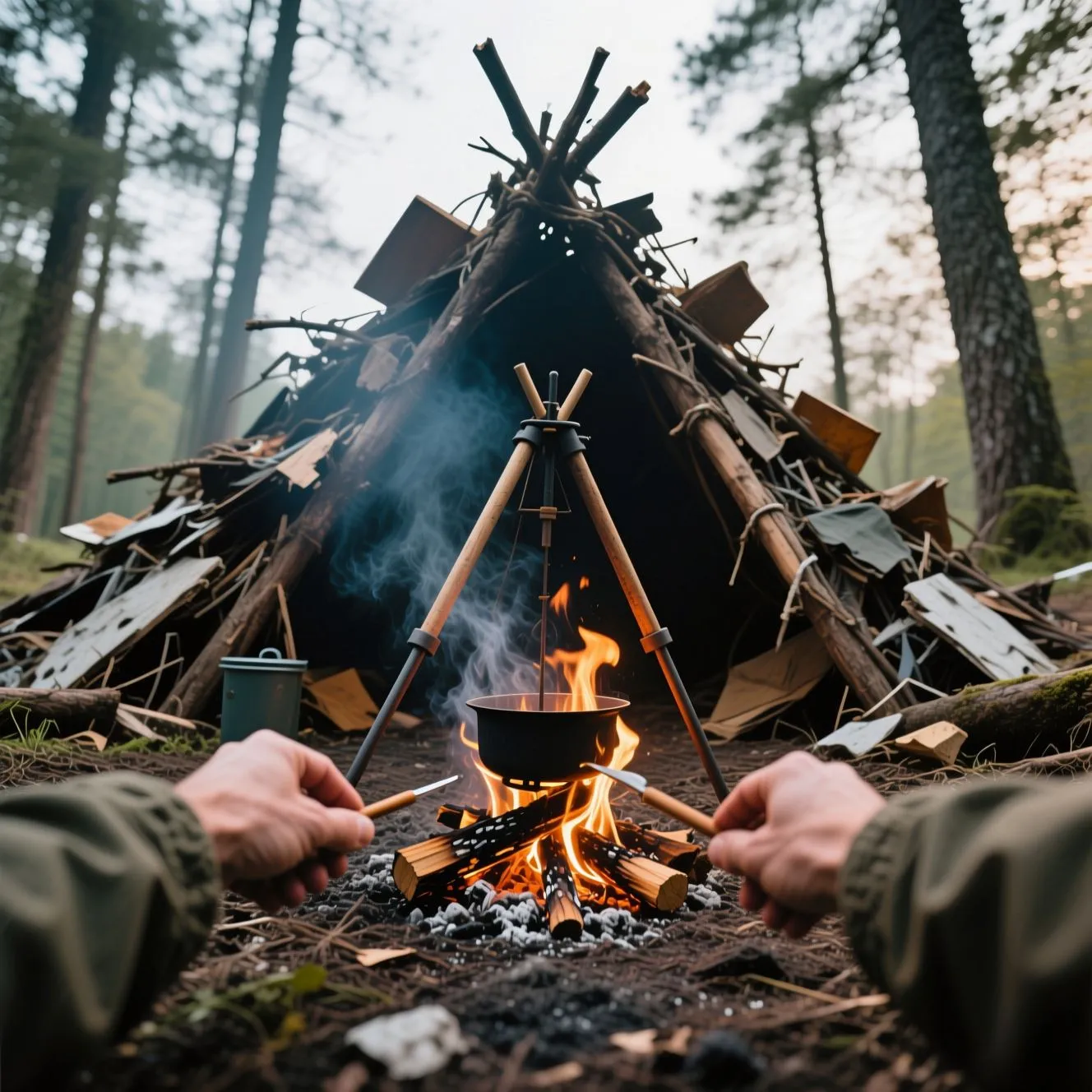
Exposure is the number-one wilderness killer in both Canada and the northern United States. Even in summer, temperatures can drop to dangerous lows at elevation. A debris hut, emergency tarp shelter, or lean-to can reduce
wind chill and retain body heat dramatically.
Step 3: Find and Purify Water
A healthy adult can survive 3 days without water, but dehydration impairs judgment within hours.
In the North American wilderness, natural water sources are rarely safe to drink untreated. Use a filter (Sawyer, LifeStraw), iodine tablets, or boiling as primary purification methods.
Step 4: Start a Fire
Fire provides warmth, signals rescuers, purifies water, and boosts morale. Always carry at least two fire-starting methods: a ferrocerium rod and a weatherproof lighter. Know how to prepare a tinder bundle from birch bark, dried grass, or fatwood — all widely available across North American forest environments.
Step 5: Signal for Help and Stay Visible
The goal in any survival situation is to make yourself findable. Use a signal mirror (visible up to 10 miles on a clear day), a whistle (three blasts = distress signal), ground-to-air signals, or a personal locator beacon (PLB) if you carry one.
Bushcraft & Primitive Skills: Zero-Weight Gear
Skills are the ultimate “zero-weight” gear — you can never lose them, they never run out of batteries, and they work
on every continent. Our bushcraft tutorials are designed for both the urban weekend warrior and the seasoned woodsman.
• Firecraft Mastery
Ferrocerium rods to primitive bow drill. Harness heat in the Pacific Northwest rainforest or a soggy Ontario autumn.
• Water Procurement
Advanced filtration, solar disinfection (SODIS), and reading terrain for springs in arid Western US environments.
• Modern Shelter Systems
Ultralight tarps and natural debris for 4-season protection from BC coastal temperate to Great Plains prairie.
• Land Navigation
Dead reckoning, triangulation, and natural signs with compass and map reviews for Canadian Crown land and US backcountry.
Emergency Survival in the Outdoors
When things go wrong in the North American wilderness — a sudden storm, an injury miles from the trailhead, a
vehicle breakdown on a remote logging road — the difference between a scary story and a tragedy comes down to preparation.
The 72-Hour Rule
Most wilderness emergencies are resolved within 72 hours when rescuers are alerted. Your job is to survive those 72 hours and make yourself as easy to find as possible.
Why Survival and Outdoors?
We believe the real tool is you — and our job is to make you better equipped, better skilled, and more confident in any environment.
Survival and Outdoors was built by Jeff, an outdoor enthusiast and gear reviewer with years of hands-on experience across North American wilderness environments. Every gear review has been physically tested in field conditions.
Every skill tutorial reflects techniques that have been practiced, not just researched.
• Tested in North American conditions — Reviews calibrated for Canadian boreal winters, Pacific Northwest rain, high desert heat, and Great Plains wind.
• Honest, methodology-first reviews — We test before we recommend. We describe failure modes, not just strengths.
• Transparent affiliate relationships — We earn commissions from some links. This never influences our scoring.
• Ethical outdoor practice — Every recommendation reflects Leave No Trace principles
Surviving the Wild Outdoors: Your Free Field Guide
Survival Skills for Beginners: Where to Start
If you’re new to outdoor survival, resist the urge to buy expensive gear first. The highest-return investment is time spent on three foundational skills:
1. Shelter building — Practice a debris hut or tarp lean-to in your backyard before you need it in the field.
2. Fire starting — Master the ferrocerium rod in all weather conditions before relying on it on a winter camping trip.
3. Water purification — Understand multiple methods (filter, chemical, boiling) and always carry a backup.
These three core skills provide the biggest survival advantage in emergencies and require nothing more than practice and a beginner-friendly kit.
Frequently Asked Questions About Wilderness Survival
A: Beginners should focus on shelter building, fire-starting, water purification, and navigation basics before investing heavily in advanced gear.
A: We advocate for Smart Redundancy. This means pairing advanced digital tools — like satellite communicators and GPS devices — with reliable analog backups like compasses and ferro rods. This ensures you’re prepared for both peak efficiency and complete electronic failure, which is especially important in remote areas of Canada and Alaska where cell service doesn’t exist.
A: A 72-hour survival kit should be tailored to your specific region. An Urban kit for a suburban American or Canadian city prioritizes portable power banks, water purification tablets, and emergency cash. A Deep Wilderness kit for backcountry travel focuses on high-calorie rations, advanced water filtration, and a robust shelter system rated for the temperatures you’ll face.
A: Gear is a force multiplier, but skills are the foundation. At Survival and Outdoors, we believe 90% of survival comes down to mindset and knowledge. Tools can break, be lost, or run out of batteries — but your ability to improvise shelter and find fire sources is permanent knowledge.
A: Focus on the Big Five: (1) clean water — filtration plus storage, (2) high-density nutrition such as freeze-dried or calorie-dense foods, (3) versatile shelter — a quality tarp or emergency bivouac rated to local temperatures, (4) reliable fire starters — at minimum a ferro rod plus a lighter, and (5) emergency communication — a PLB or satellite messenger for remote North American travel.
A: In 2026, preparedness must account for increasing extreme weather volatility — longer fire seasons especially in BC, Alberta, California, and Oregon, more frequent flash flooding events, and unpredictable temperature swings. We now prioritize gear that handles thermal extremes and high-capacity water purification systems, since traditional water sources are increasingly unreliable during prolonged droughts or post-wildfire contamination events.
A: For North American beginners, prioritize in this order: (1) shelter construction for your specific climate zone, (2) fire-starting in wet conditions — especially important in the Pacific Northwest and eastern Canada, (3) water purification, (4) basic wilderness navigation with a map and compass, and (5) wilderness first aid fundamentals.
Our Latest Posts
Our Recent Blog Posts
Best Tactical Survival Shovel: The Ultimate Guide to Choosing the Perfect Tool
Introduction to a Tactical Survival Shovel When it comes to survival gear, few tools are
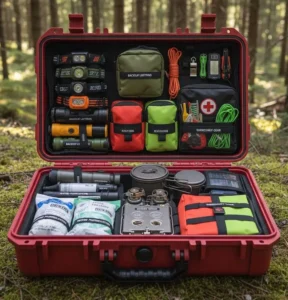
How to Build a Reliable Emergency Survival Kit That Won’t Fail
Table of Contents Why Most Survival Kits Fail During Emergencies Most survival kits fail because
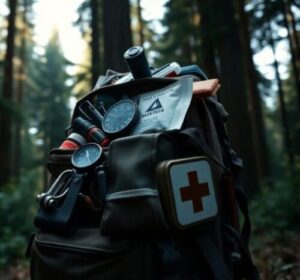
Wilderness Survival Kit
Table of Contents What Should You Have in a Wilderness Survival Kit? When venturing into
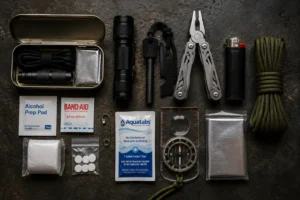
How to Build a Small Survival Kit That Actually Works
Table of Contents Small Survival Kit: Essential Compact Gear for Emergency Preparedness A compact survival
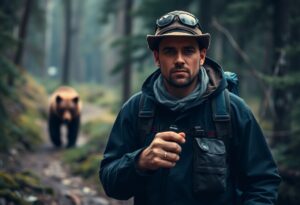
How to Protect Yourself from Wild Animals in the Wilderness
Important Tips to protect yourself from Wild Animals in the Wilderness This comprehensive guide draws
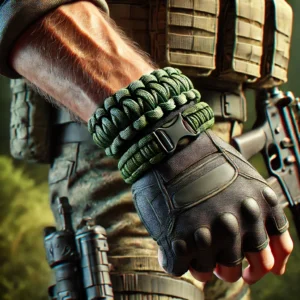
Why Do Soldiers Wear Paracord Bracelets?
The Practical Reasons Soldiers Wear Paracord Bracelets ? You’ve probably seen those woven cord bracelets
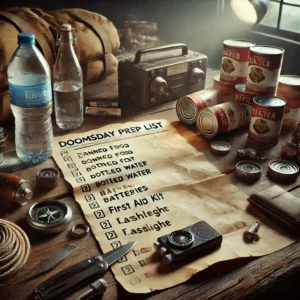
Doomsday Prep List
The Best Doomsday Prep List Be Ready Preparing for potential catastrophic events isn’t just about
Beginner’s Guide to Choosing the Right Hiking Boots
A comprehensive guide to help beginners select the perfect hiking boots for their outdoor adventures.