Table of Contents
Why Most Survival Kits Fail During Emergencies
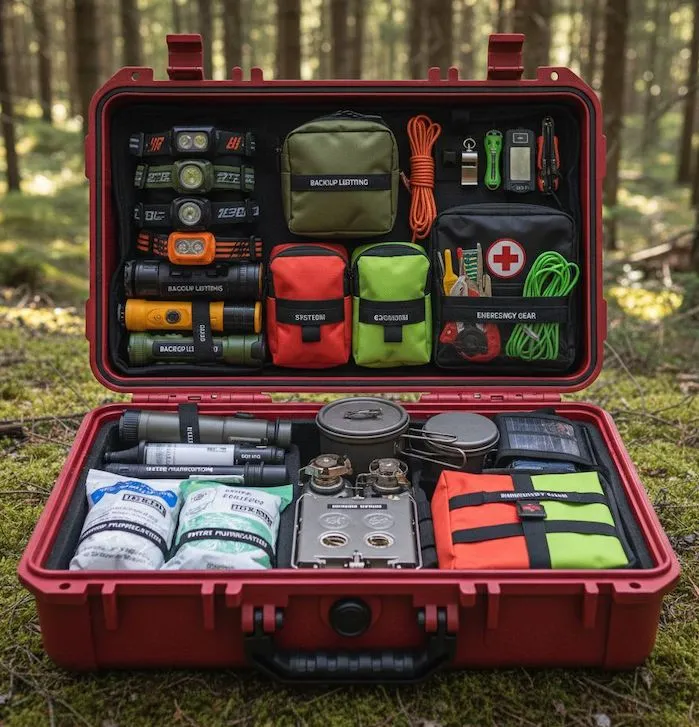
Most survival kits fail because they rely on a single point of failure. A reliable emergency survival kit utilizes layered backup systems for water, lighting, communication, cooking, and medical preparedness, ensuring critical tools continue to function during emergencies.
That’s why experienced preppers build backup systems into every critical survival function. At Survival & Outdoors, we call this approach Smart Redundancy — combining modern survival gear with dependable analog backups to create a more reliable emergency preparedness system.
A well-built emergency survival kit should continue working even when your primary equipment fails. Whether you are preparing for natural disasters, power outages, wilderness emergencies, or long-term grid failures, layered backup systems can dramatically improve your resilience and safety.
In this guide, you’ll learn how to build a reliable emergency survival kit using practical backup strategies for lighting, water purification, cooking, communication, navigation, and medical preparedness.
Many emergency kits are designed around convenience instead of reliability.
People often depend too heavily on:
- rechargeable electronics
- battery-powered gear
- fuel-based systems
- smartphones and apps
While these tools are useful, they can fail unexpectedly during real emergencies.
Common survival kit failure points include:
- dead batteries
- electronic malfunction
- damaged equipment
- fuel shortages
- lack of maintenance
- extreme weather conditions
A reliable emergency survival kit uses layered systems to reduce these risks.
What Is a Reliable Emergency Survival Kit?
A reliable emergency survival kit is built with both primary tools and backup systems for critical survival needs.
Instead of relying on one solution, you prepare multiple ways to handle essential tasks like:
- lighting
- water purification
- fire starting
- navigation
- communication
- cooking
- medical care
This preparedness strategy is known as Smart Redundancy — building systems that continue working when primary gear fails.
The goal is simple:
eliminate single points of failure.
The 6 Essential Survival Systems Every Emergency Kit Needs
Emergency Lighting Backup Systems
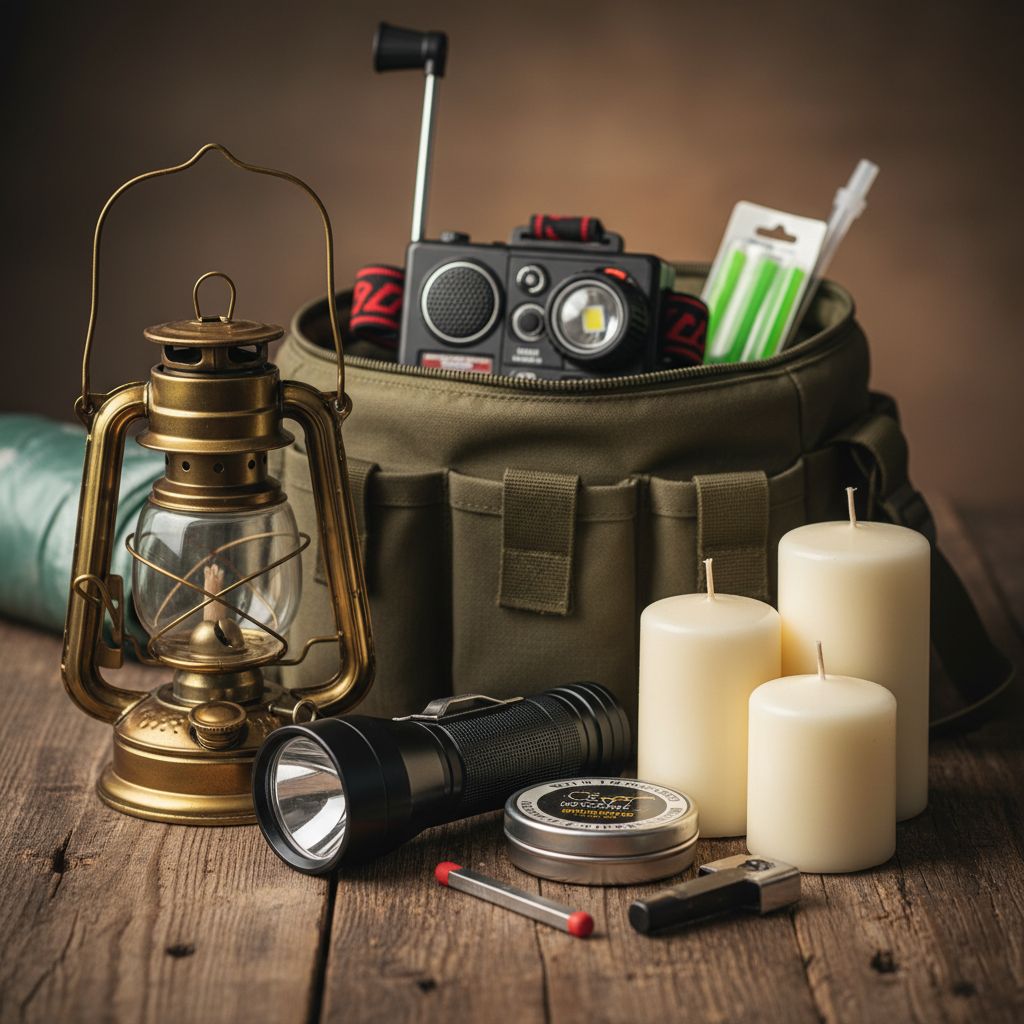
Reliable lighting is one of the most important parts of any emergency survival kit.
Primary Lighting Tools
- LED headlamp
- tactical flashlight
- rechargeable lantern
Backup Lighting Tools
- candles
- oil lantern
- glow sticks
- ferro rod fire starter
Battery-powered lights are efficient, but analog lighting options provide dependable illumination when batteries fail.
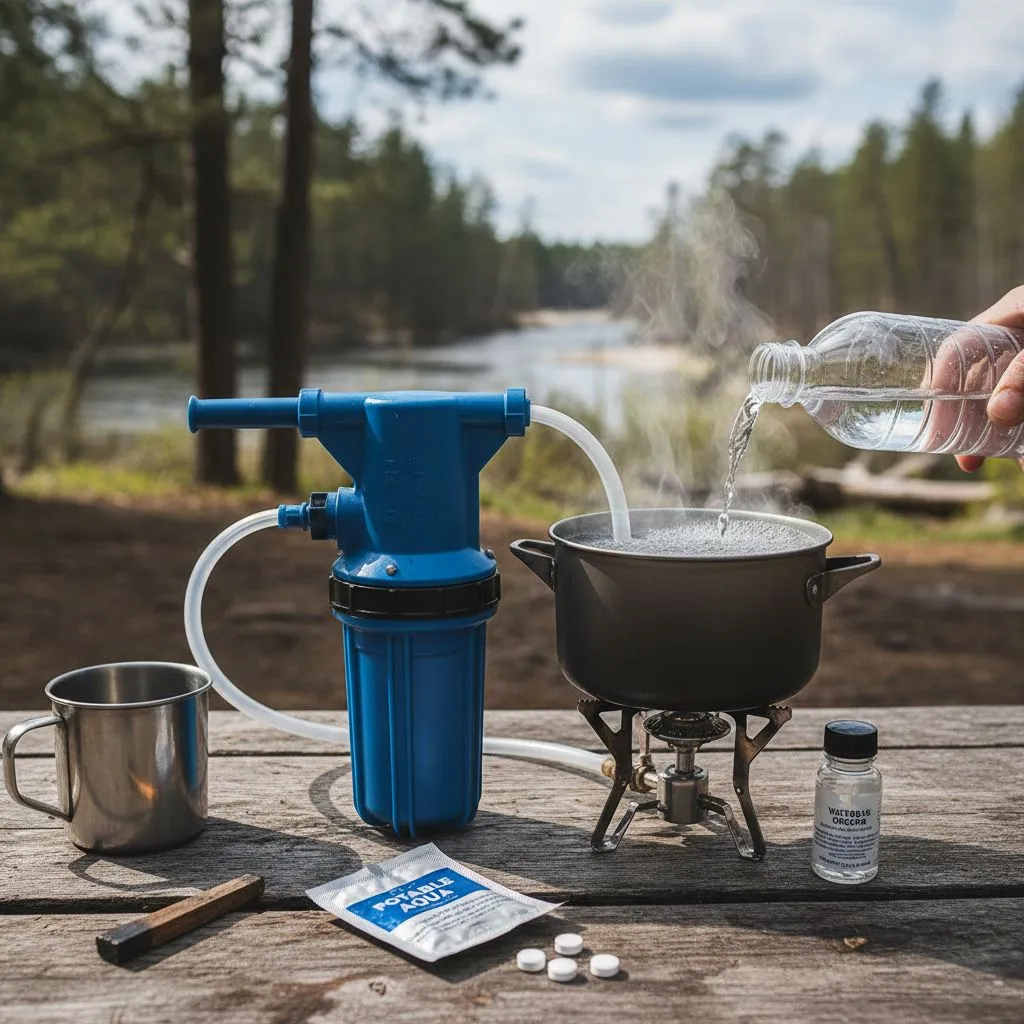
Backup Water Purification Methods
Clean drinking water is essential during any emergency.
Primary Water Systems
- portable water filter
- gravity filtration system
- UV purifier
Backup Water Systems
- water purification tablets
- boiling water
- stainless steel container for heating water
No single water purification method is perfect. Layering multiple methods improves long-term reliability.
Emergency Cooking and Heat Systems
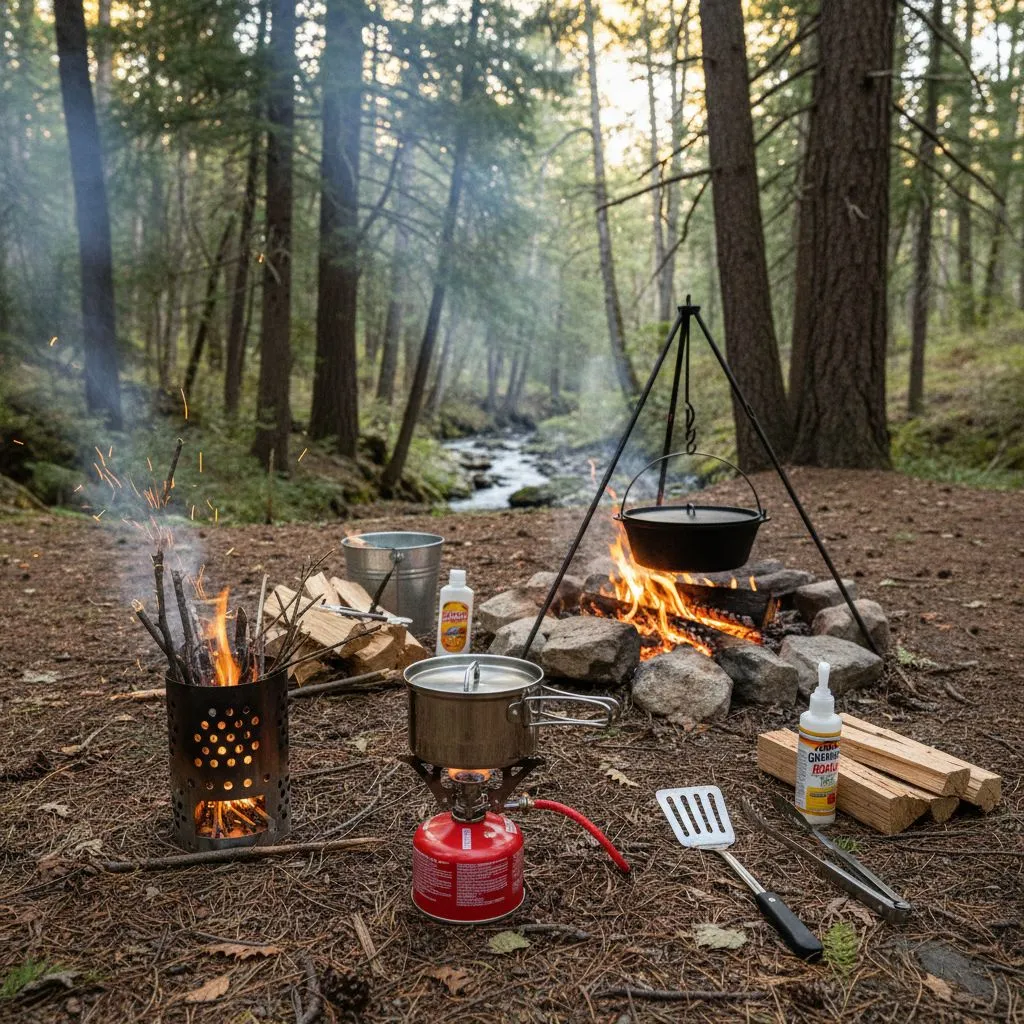
Cooking systems often fail during extended emergencies.
Primary Cooking Systems
- propane stove
- butane stove
- portable camp stove
Backup Cooking Systems
- twig stove
- fire pit
- rocket stove
- ferro rod and tinder
Emergency Communication Systems
Communication can become critical during disasters and large-scale emergencies.
Primary Communication Tools
- cell phone
- satellite communicator
- emergency alert apps
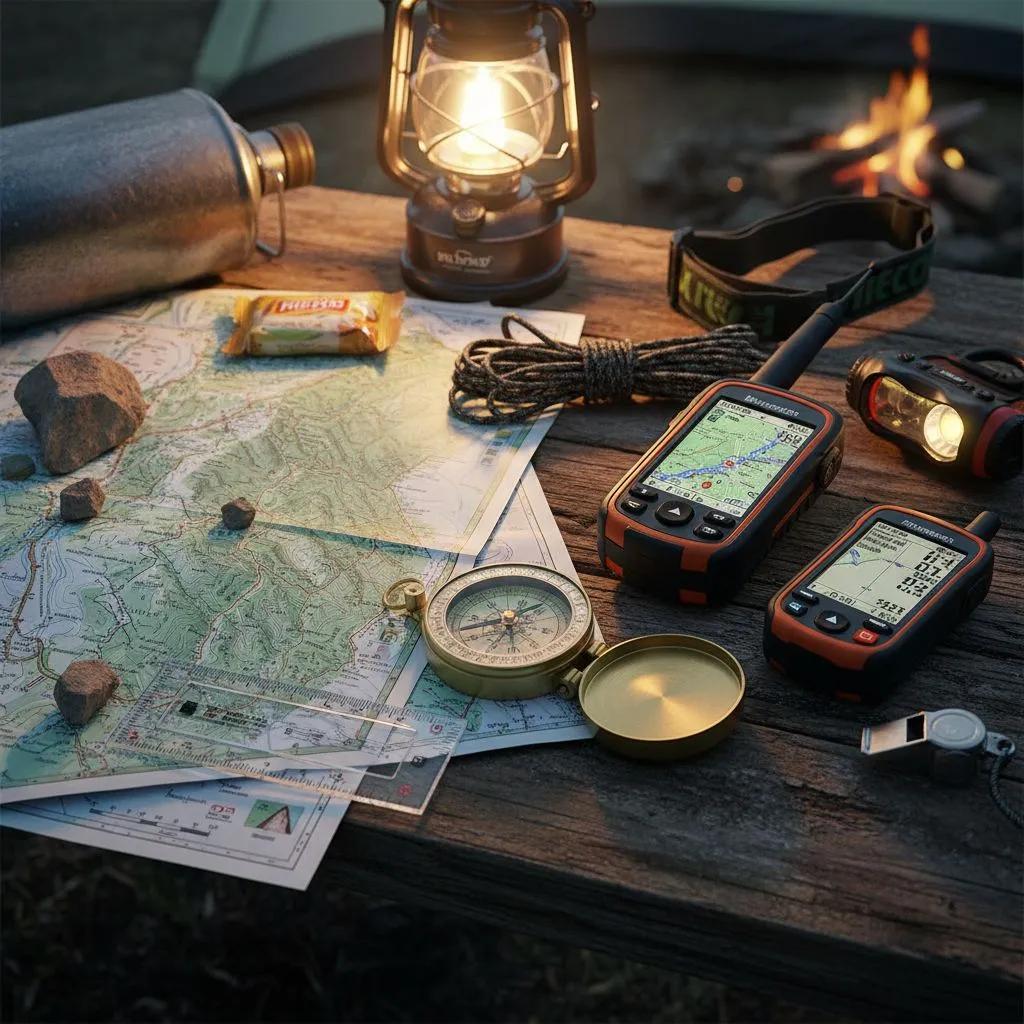
Backup Communication Tools
- HAM radio
- handheld radio
- signal mirror
- emergency whistle
Backup communication systems improve your ability to receive information and contact others when cellular networks fail.
First Aid and Medical Preparedness
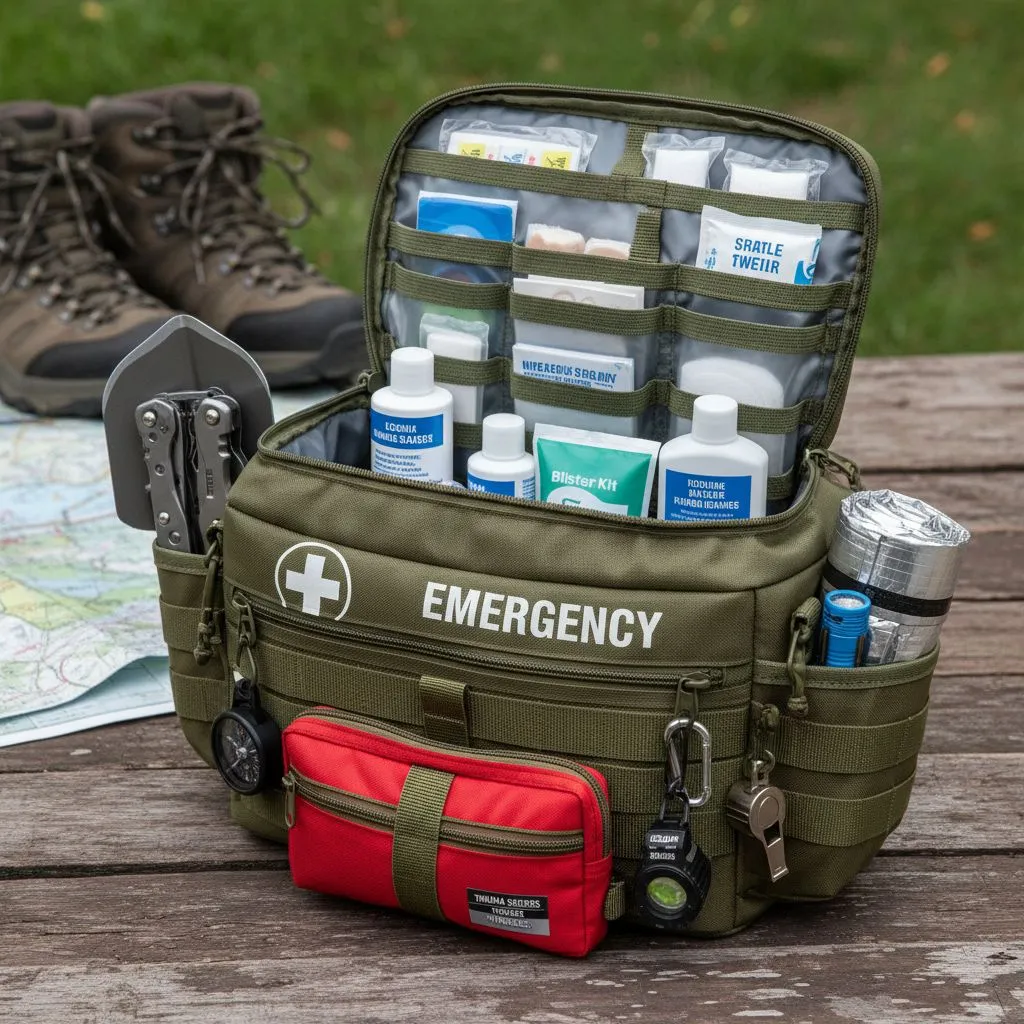
Medical emergencies become much more dangerous when professional care is unavailable.
Primary Medical Tools
- digital thermometer
- pulse oximeter
- electronic blood pressure monitor
Backup Medical Tools
- manual thermometer
- printed first aid guide
- trauma supplies
- analog medical tools
Smart Redundancy: Primary vs Backup Survival Systems
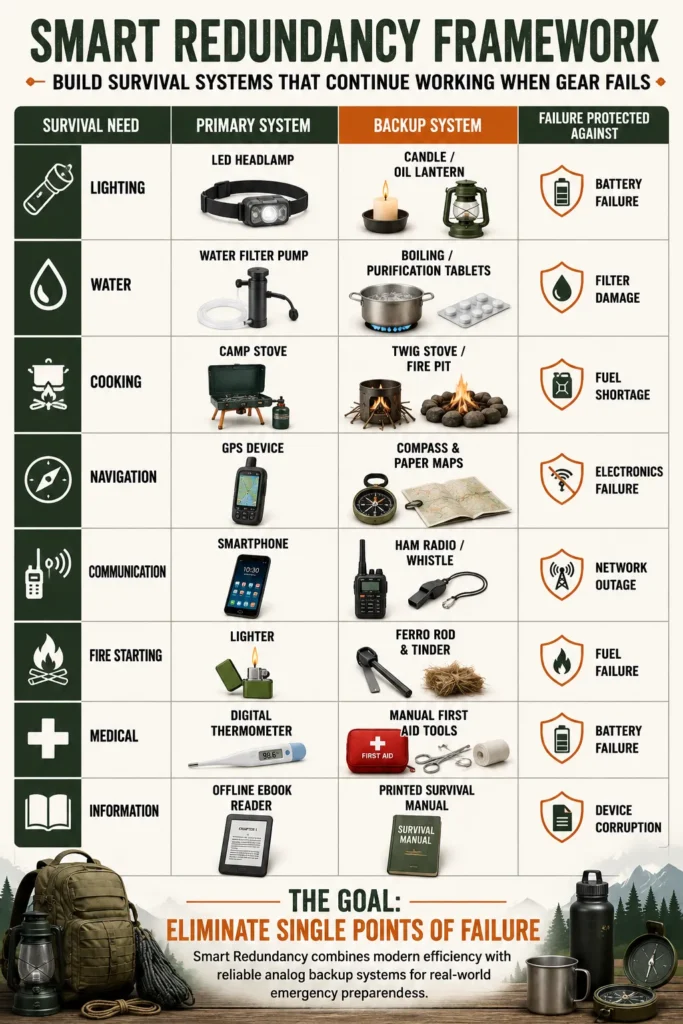
Digital vs Analog Survival Tools
Modern survival technology offers convenience and efficiency, but analog tools provide reliability and independence.
The best survival kits combine both approaches.
| Survival Need | Primary System | Backup System |
|---|---|---|
| Lighting | LED Headlamp | Candle |
| Water | Water Filter | Boiling Water |
| Navigation | GPS Device | Compass |
| Cooking | Camp Stove | Fire Pit |
| Communication | Smartphone | HAM Radio |
Layered preparedness creates more resilient emergency systems.
Reliable Emergency Survival Kit Checklist
A dependable emergency survival kit should include:
Fire
- lighter
- ferro rod
- tinder
Navigation
- compass
- paper maps
Communication
- emergency radio
- whistle
Lighting
- flashlight
- headlamp
- candles
- spare batteries
Medical
- first aid kit
- trauma supplies
- medications
Food and Cooking
- emergency food
- portable stove
- backup cooking method
Water
- water filter
- purification tablets
- metal water container
Common Survival Kit Mistakes to Avoid
Relying Too Much on Electronics
Technology is useful, but electronics should never be your only survival solution.
Carrying Too Much Gear
Redundancy does not mean duplicating everything. Focus on critical systems first.
Ignoring Maintenance
Batteries expire, fuel degrades, and equipment must be tested regularly.
Neglecting Survival Skills
Skills are the ultimate backup system. Practice using your gear before an emergency occurs.
Final Thoughts
A reliable emergency survival kit is not built around a single tool. It is built around layered systems that continue working when failures happen.
The Smart Redundancy approach combines efficient modern equipment with dependable backup methods to create a stronger emergency preparedness strategy.
Whether you are preparing for power outages, natural disasters, wilderness emergencies, or long-term grid failures, reliable backup systems can dramatically improve your resilience and safety.
The best survival kits are designed with failure in mind.
Frequently Asked Questions
Q: What is a reliable emergency survival kit?
A: A reliable emergency survival kit includes primary gear and backup systems for critical survival needs like water, lighting, communication, cooking, navigation, and first aid.
Q: Why are backup systems important in survival situations?
A: Backup systems reduce single points of failure during emergencies. If primary equipment fails, secondary tools help maintain safety, communication, lighting, and access to clean water.
Q: What are the most important items in an emergency survival kit?
A: The most important survival kit items include:
- water purification tools
- emergency food
- lighting
- fire-starting tools
- first aid supplies
- navigation tools
- communication devices
- backup power sources
Q: Should survival kits include analog backup tools?
A: Yes. Analog survival tools work without batteries, electricity, cellular service, or internet access, making them highly reliable during power outages and disasters.
Q: How often should you update an emergency survival kit?
A: Emergency survival kits should be inspected every 6 to 12 months to replace expired supplies, test equipment, rotate batteries, and update medications.
Q: What is Smart Redundancy in emergency preparedness?
A: Smart Redundancy is a preparedness strategy that combines modern survival gear with dependable backup systems to improve reliability during emergencies.