
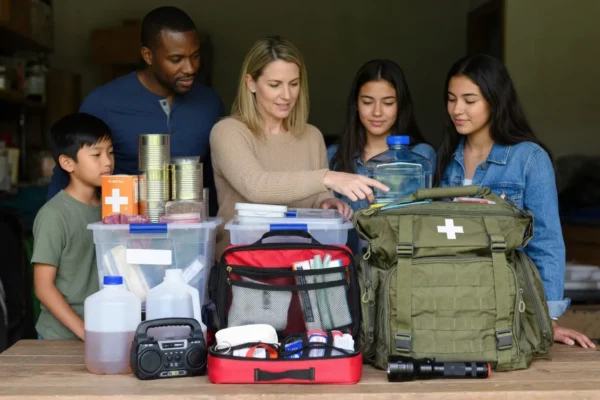
Emergency Preparedness Guide: Prepare Your Family for Any Emergency
Emergency preparedness is the process of planning for disasters before they happen. A complete preparedness plan includes emergency food storage, safe drinking water, bug out bags, first aid supplies, emergency communication plans, and survival skills. This guide provides a practical roadmap to help individuals and families prepare for power outages, natural disasters, and long-term emergencies.
Be Ready Before Disaster Strikes
Preparedness isn’t about fear—it’s about confidence.
Whether you’re facing severe storms, power outages, wildfires, hurricanes, winter weather, or unexpected emergencies, taking a few simple steps today can make a significant difference tomorrow.
At SurvivalAndOutdoors.com, we believe preparedness should be practical, affordable, and achievable for every household. You don’t need to become an extreme prepper to protect your family. By building your emergency supplies gradually and following proven preparedness strategies, you can create peace of mind and greater resilience.
This guide serves as your starting point for building a complete emergency preparedness plan.
Why Emergency Preparedness Matters
Every year, communities around the world experience emergencies that disrupt everyday life. Severe weather, floods, hurricanes, tornadoes, earthquakes, wildfires, winter storms, extended power outages, and supply chain interruptions can all affect access to food, clean water, medical supplies, and essential services.
Preparedness is not about predicting disasters—it’s about reducing uncertainty.
By preparing in advance, families can respond more effectively, remain self-sufficient for longer, and reduce stress during emergencies. Even a modest emergency supply of food, water, and essential equipment can provide valuable peace of mind.
The goal is not perfection. The goal is progress.
The Six Pillars of Emergency Preparedness
Effective preparedness can be divided into six key areas.
Each pillar supports the others, creating a balanced emergency plan that helps your household remain safe and resilient during unexpected situations.
Food Storage
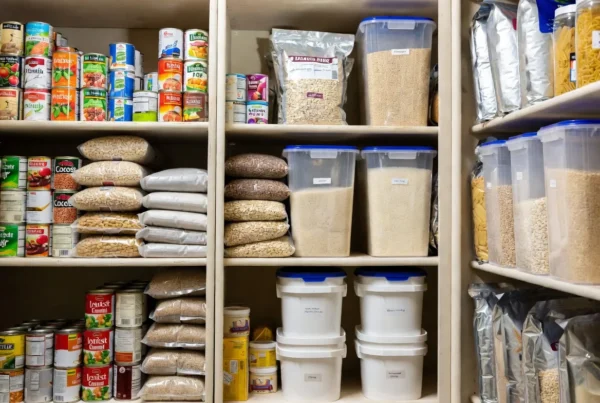
Food is one of the first concerns during any emergency.
A reliable emergency food supply ensures your family has access to nutritious meals even when grocery stores are closed or supply chains are disrupted.
A well-planned pantry should include:
- Shelf-stable foods
- Long-term emergency food
- Protein sources
- Canned meats
- Grains and legumes
- Cooking essentials
- Manual food preparation options
Instead of purchasing everything at once, build your food supply gradually by adding a few extra items during regular grocery trips and rotating older products into everyday meals.
Recommended Resources
Water Storage
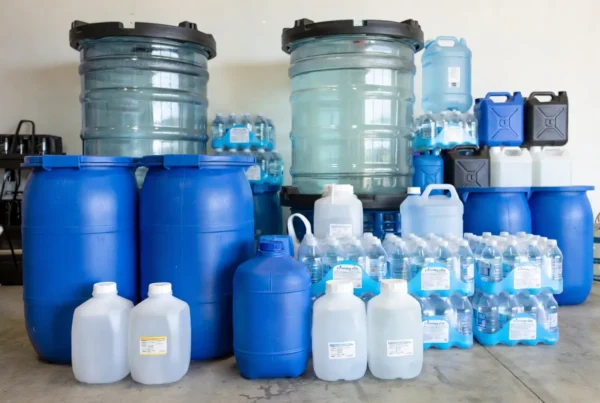
Clean drinking water is your highest survival priority.
Experts generally recommend storing enough water for drinking, cooking, and basic hygiene, and keeping reliable backup purification methods on hand.
A complete water preparedness plan includes:
- Emergency drinking water
- Water storage containers
- Water purification
- Water rotation
- Rainwater collection
- Portable water filters
Proper storage, regular maintenance, and reliable purification methods help ensure safe water remains available during emergencies.
Recommended Resources
✔ Water Storage
✔ Emergency Water Storage Guide
✔ Long-Term Water Storage
✔ Water Rotation Guide
✔ Water Purification Methods
✔ Water Storage Containers
Preparedness Starts With Small Steps
Many people believe emergency preparedness requires spending thousands of dollars or building a massive stockpile overnight.
The reality is much simpler.
Preparedness is built one step at a time.
Start with:
- Three days of food
- Three days of water
- A flashlight
- Batteries
- First aid supplies
- Important documents
- A family communication plan
As your confidence grows, you can gradually expand your emergency supplies and preparedness skills.
The most effective emergency plan is one that is realistic, organized, and maintained over time.