Food Storage Guide for Emergency Preparedness and Long-Term Survival
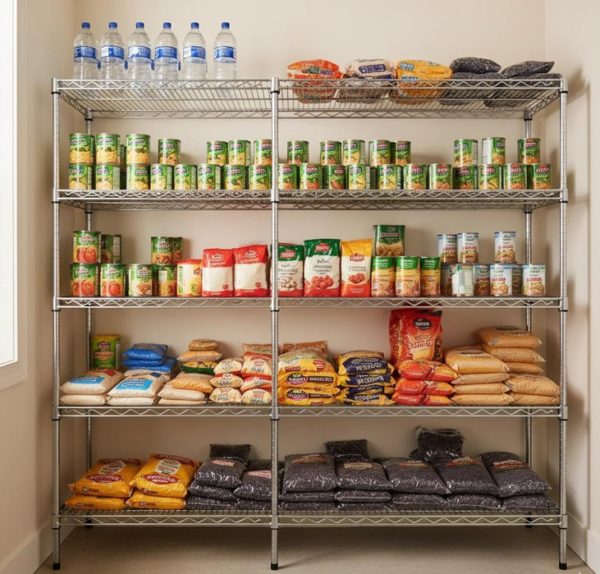
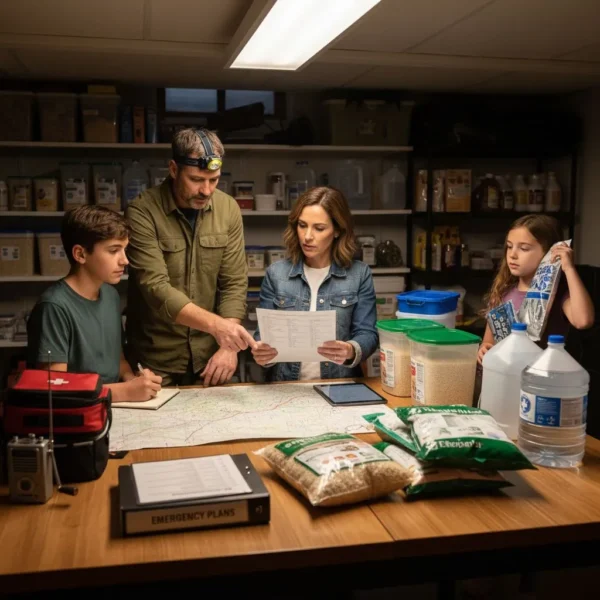
Building a reliable food storage system is one of the most important steps in emergency preparedness. Whether you are preparing for short-term power outages, natural disasters, supply chain disruptions, or long-term self-reliance, a well-planned food reserve helps protect your family from uncertainty. Use our Food Storage Calculator to estimate your food needs and create a personalized preparedness plan.
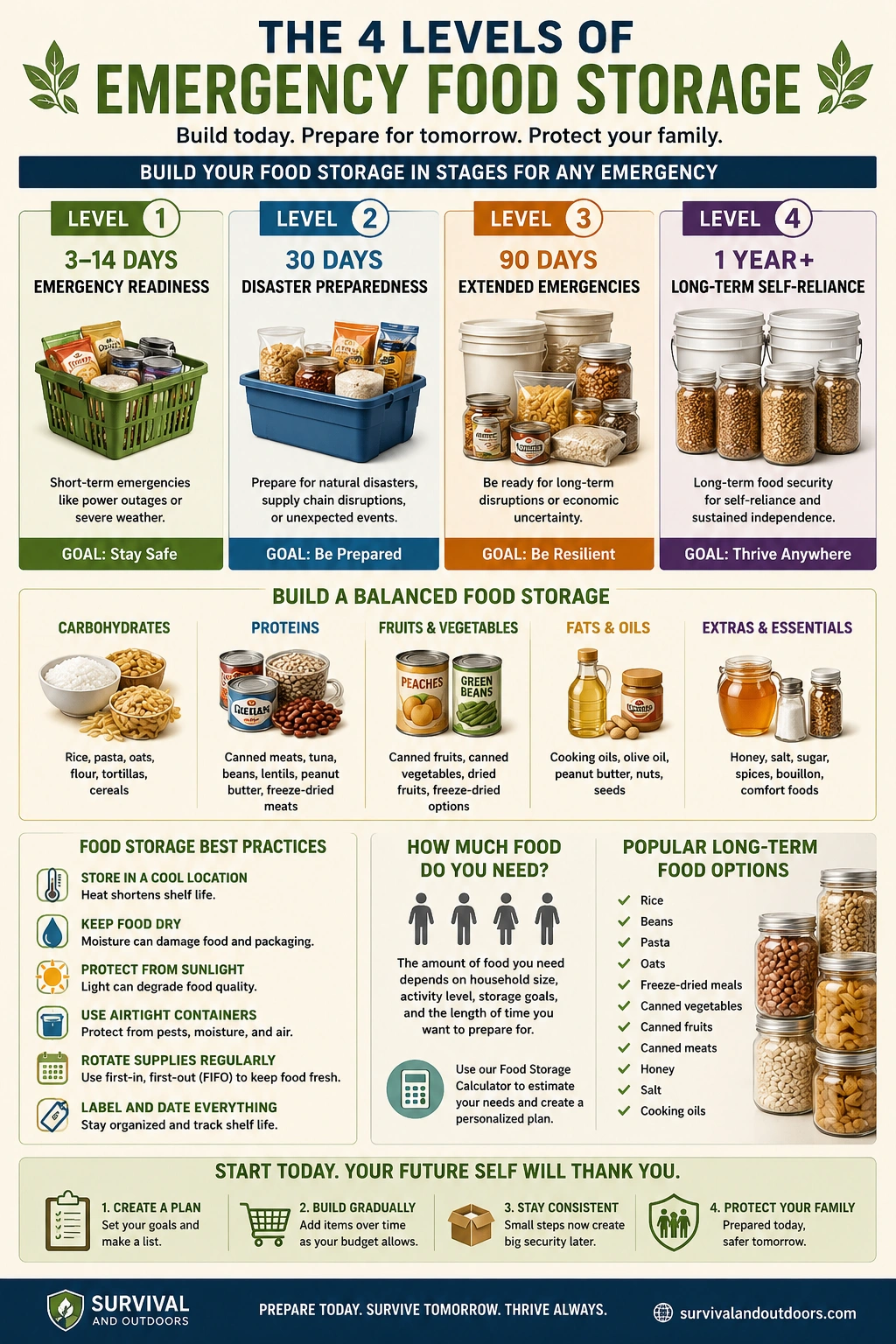
Click the infographic below to enlarge
Emergency food storage can be built in stages, starting with a short-term emergency reserve and expanding into a long-term preparedness plan. This food storage roadmap provides a practical framework for building resilience over time.
Why Food Storage Matters
Emergencies can occur without warning. Severe weather, power outages, transportation disruptions, and other unexpected events can make it difficult to access groceries and essential supplies.
A food storage plan provides:
Emergency food security
Greater self-reliance
Reduced stress during disasters
Protection against temporary shortages
Long-term preparedness options
The key is to build a food reserve gradually, using foods your household already eats and knows how to prepare. Are you storing food safely? The FDA Food Storage Safetyguide.
How Much Food Should You Store?
The amount of food you need depends on:
Household size
Activity level
Storage goals
Available storage space
Duration of preparedness planning
Many preparedness experts recommend starting with at least a two-week food supply and gradually expanding to one month, three months, or longer.
Food storage is one of the most practical investments you can make in your family’s preparedness. By building a reliable food reserve and maintaining a long-term plan, you can improve resilience, reduce uncertainty, and prepare for a wide range of emergencies.
Frequently Asked Questions About Food Storage
What foods are best for long-term food storage?
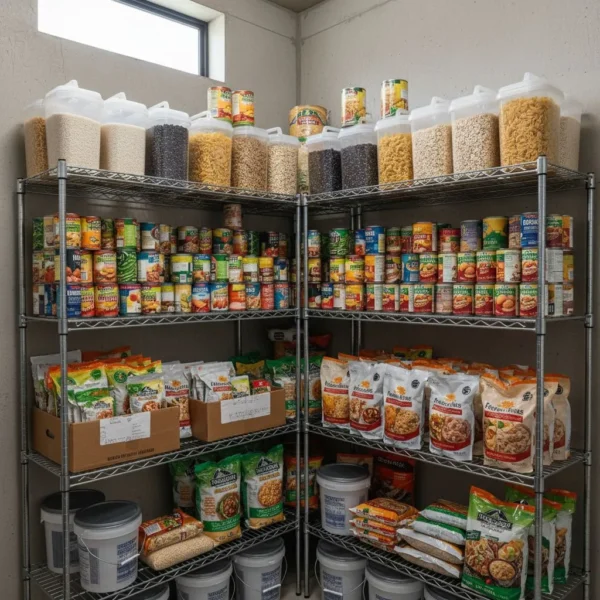
Foods with a long shelf life are ideal for emergency preparedness. Popular choices include rice, beans, pasta, oats, canned meats, freeze-dried foods, honey, salt, and properly stored grains. The best food storage plans combine nutrition, shelf life, and ease of preparation.
A: The amount depends on your preparedness goals. Many families begin with a two-week supply before expanding to one month, three months, or longer. Using a Food Storage Calculator can help estimate calorie needs and recommended food quantities.
A: Shelf life varies by food type and storage conditions. Canned foods often last several years, while freeze-dried foods may last 20 to 30 years when stored properly. Cool, dry, and dark storage conditions help maximize shelf life.
A: Both have advantages. Canned foods are convenient and ready to eat, while freeze-dried foods offer exceptional shelf life and lighter weight. Many preparedness plans use a combination of both.
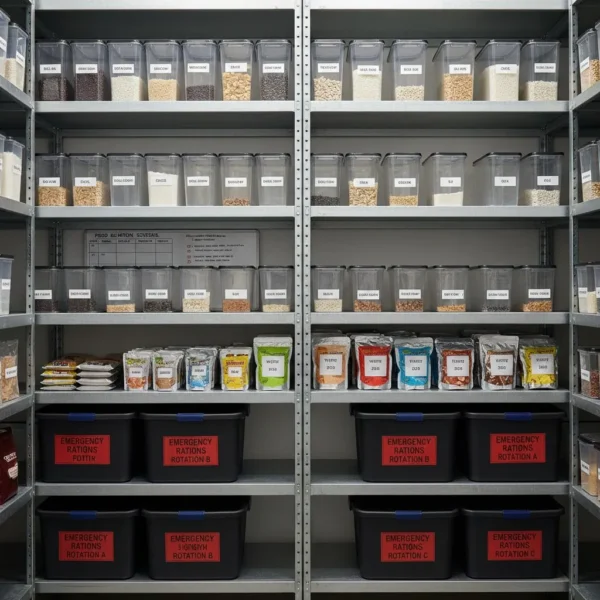
A: Store food in a cool, dry location and organize supplies by expiration date. Label containers clearly and rotate foods regularly to ensure freshness. A first-in, first-out rotation system helps reduce waste.
A: Requirements vary based on age, activity level, and preparedness goals. A family of four should calculate their daily calorie needs and multiply by the number of days they wish to prepare for. Our Food Storage Calculator can provide a personalized estimate.
A: Popular emergency protein sources include canned chicken, canned beef, canned tuna, dried beans, lentils, peanut butter, and freeze-dried meats. Protein is an important component of a balanced food storage plan.